Seismic forces have the potential to cause significant damage to buildings and structures, leading to catastrophic consequences. In order to prevent these disasters, engineers and architects utilize various measures to enhance the structural integrity of buildings. One such measure is the implementation of seismic bracing systems.
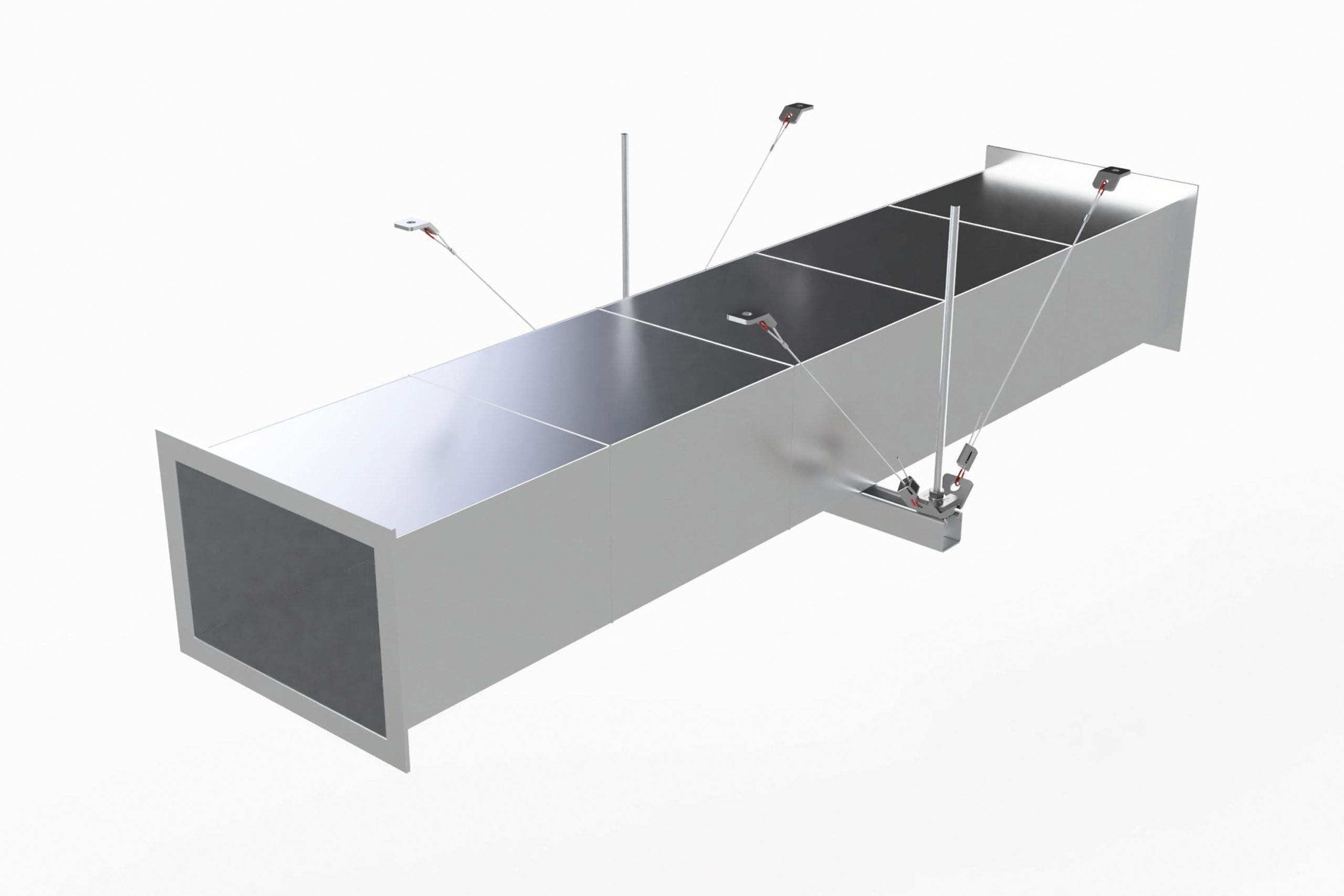
A seismic bracing system is a network of structural components designed to provide additional support and stability to a building during seismic events. These systems are essential for reinforcing structures and minimizing the impact of ground motion on buildings. By strategically placing braces and supports throughout a building, engineers can help prevent structural failure and ensure the safety of occupants.
There are several key components that make up a seismic bracing system. One of the most important elements is the use of braces, which are typically made of steel or other high-strength materials. Braces are installed diagonally between various structural components to help transfer seismic forces and prevent excessive movement. They are designed to absorb and dissipate energy, minimizing the strain on the building’s structural elements.
Another crucial component of a seismic bracing system is the use of base isolators. These devices help to separate the building from the ground, allowing it to move independently during a seismic event. By reducing the transmission of seismic forces to the structure, base isolators can significantly reduce the risk of damage and collapse.
In addition to braces and base isolators, engineers may also incorporate dampers into a seismic bracing system. Dampers are devices that are designed to absorb energy and reduce the amplitude of vibrations in a building. By installing dampers at key points in a structure, engineers can help to minimize the effects of seismic forces and enhance the building’s overall stability.
The effectiveness of a seismic bracing system depends on a number of factors, including the design of the building, the type of seismic forces that it may be subjected to, and the specific materials and components used in the system. Engineers must carefully consider these factors when designing a seismic bracing system to ensure that it is capable of withstanding the forces that it may be exposed to.
One of the key benefits of seismic bracing systems is their ability to enhance the resilience of buildings and structures. By reinforcing key structural elements and providing additional support, these systems can help to prevent damage and collapse during seismic events. This not only protects the building itself but also ensures the safety of occupants and minimizes the potential for loss of life.
In addition to their protective capabilities, seismic bracing systems can also help to reduce the cost of repairs and restoration following a seismic event. By mitigating damage and preventing structural failure, these systems can help building owners save on the expenses associated with repairing and rebuilding damaged structures.
As seismic activity continues to pose a threat to buildings and infrastructure around the world, the importance of seismic bracing systems cannot be overstated. By implementing these systems in new construction projects and retrofitting existing structures, engineers can help to enhance the safety and resilience of buildings in seismic-prone regions.
In conclusion, seismic bracing systems play a critical role in protecting buildings and structures from the destructive forces of earthquakes and other seismic events. By incorporating braces, base isolators, and dampers into a building’s design, engineers can help to enhance its structural integrity and minimize the risk of damage and collapse. As the threat of seismic activity continues to grow, the importance of seismic bracing systems in ensuring the safety and stability of buildings cannot be ignored.